
Søren Kierkegaard — Medium
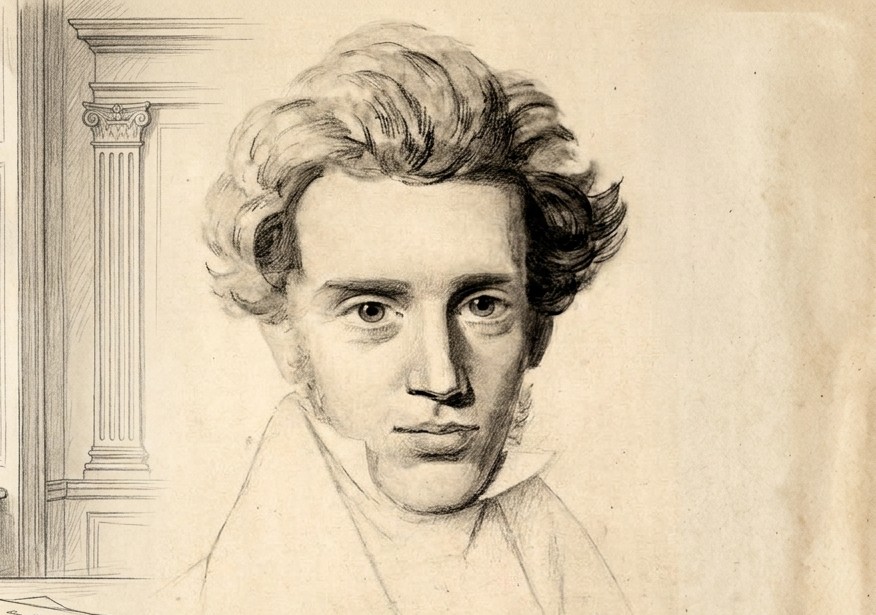
Søren Kierkegaard (May 5, 1813 – November 11, 1855) was a brilliant Danish philosopher, theological critic, and writer. Hailed globally as the founding father of existentialism, he is best known for diagnosing the dizzying weight of human freedom and the perils of societal conformity.
The Ink-Stained Hermit
Despite his sharp public wit and deep engagement with society, he spent the vast majority of his writing career isolated in his Copenhagen study, surrounded by stacks of paper and burning through multiple oil lamps a night.
Master of Disguise
He almost never published under his own name, instead inventing an entire cast of fictional alter egos—such as Johannes Climicus and Constantine Constantius—to debate complex ideas on his behalf.
Childhood Living Room Marches
His strict father kept him indoors due to his frail health, training young Søren by walking around their living room while vividly narrating an imaginary Copenhagen filled with fake people and street gossip.
The Sudden Broken Engagement
After happily proposing to his fiancée Regine Olsen in 1840, he abruptly panicked just eleven days later and called it off, spending the rest of his life writing coded books about her because he believed his melancholy made marriage impossible.
Inviting Public Humiliation
He deliberately provoked a popular Copenhagen satirical tabloid called The Corsair into attacking him, which resulted in months of brutal public caricatures mocking his slight frame and famously mismatched trouser legs.
The Birth of Existential Anxiety
In 1844, he radically redefined anxiety not as a clinical illness, but as the dizzying psychological feeling we experience when standing at the edge of our own absolute freedom.
Defending the Absurd
In his celebrated book Fear and Trembling, he analyzed the Biblical sacrifice of Abraham to argue that true faith sometimes demands actions that completely defy rational human ethics.
A 600-Page Footnote
His daunting philosophical masterpiece, the Concluding Unscientific Postscript, was ironically published as a humble, thumb-twiddling "postscript" to a much shorter book he had released two years prior.
Declaring War on the Church
During his final year of life, he launched an explosive public crusade against the official Danish State Church, accusing its comfortable bourgeois traditions of completely betraying true Christianity.
Dying on His Own Terms
When he collapsed on the street in 1855, he deliberately refused the final communion sacrament from state priests because he despised their institutional hypocrisy, yet the state church ironically gave him a massive official funeral anyway.
Test your knowledge
Ready to quiz yourself on xPhilosophy? Take the quiz now!
Start Quiz →Published by WizdomMaster · Educational content for quiz enthusiasts