
The Baltic sea
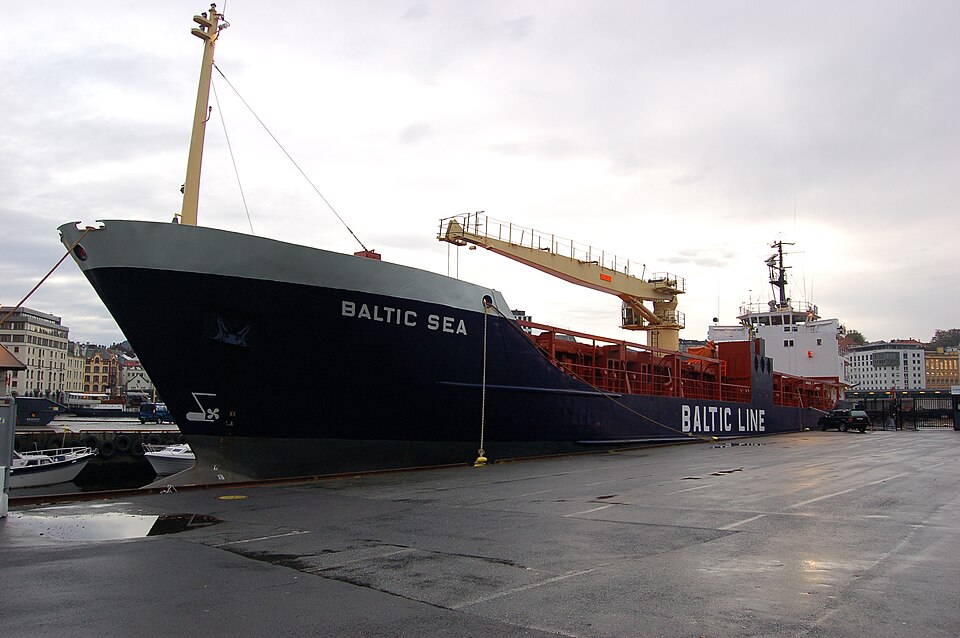
The Baltic Sea stretches across Northern Europe, connecting nine countries and covering a huge area between Scandinavia and mainland Europe. But despite being called a sea, its water is unusually low in salt—and its history is filled with Vikings, trade, ice, and shipwrecks.
- Almost Freshwater – The Baltic is the world’s largest brackish-water basin, meaning its water contains much less salt than normal seawater. Huge amounts of freshwater flow into it from rivers, while only limited salty water enters from the North Sea.
- Nine Countries – Denmark, Sweden, Finland, Estonia, Latvia, Lithuania, Poland, Germany, and Russia all have coastlines on the Baltic Sea.
- Very Shallow Sea – The Baltic has an average depth of only about 55 metres, although its deepest point reaches approximately 459 metres.
- Ice Can Cover It – During particularly cold winters, large parts of the Baltic Sea can freeze. The northern sections around the Gulf of Bothnia are especially vulnerable to extensive sea ice.
- A Giant Ice Sculpture – Much of the Baltic basin was shaped by glacial erosion during the last Ice Ages. The landscape beneath the sea is therefore partly a legacy of enormous moving ice sheets.
- Vikings Sailed Here – The Baltic was an important area for Viking-age Scandinavian activity, trade, and warfare. Later, the Hanseatic League used the sea to create major medieval trading routes between Northern European cities.
- A Narrow Escape – The Baltic is not directly open to the Atlantic. Water must pass through the Danish Straits, including the Øresund, Great Belt, and Little Belt, before reaching the Kattegat and North Sea.
- A Shipwreck Time Capsule – The Baltic's cold, low-salinity water can help preserve old wooden shipwrecks remarkably well because the conditions are less favourable for some organisms that normally destroy submerged wood.
- A Massive Sea – The Baltic stretches roughly 1,600 km from end to end, while its drainage basin covers more than 1.6 million km²—far larger than the sea itself.
- Many Names – The sea isn't called “Baltic Sea” everywhere. In Denmark it is Østersøen, in Germany Ostsee, in Sweden Östersjön, and in Estonia Läänemeri, meaning “West Sea.”
Think you know the Baltic Sea? Take the quiz and discover how much you really know about one of Europe’s most fascinating seas!
Test your knowledge
Ready to quiz yourself on The Baltic Sea? Take the quiz now!
Start Quiz →Published by WizdomMaster · Educational content for quiz enthusiasts