
Rubies: Rare Red Gems, Famous Stones and Auction Records
What makes a ruby valuable?
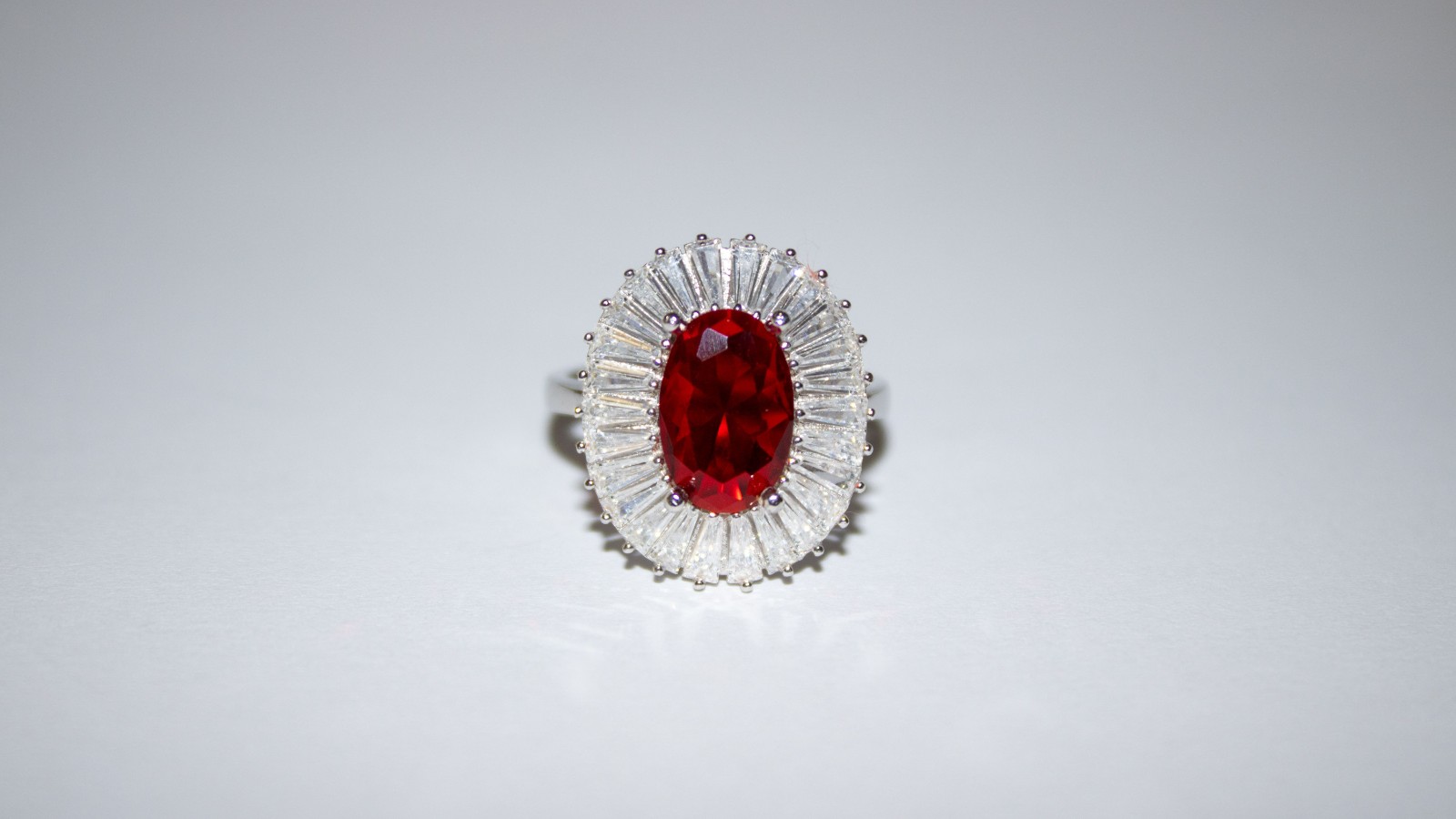
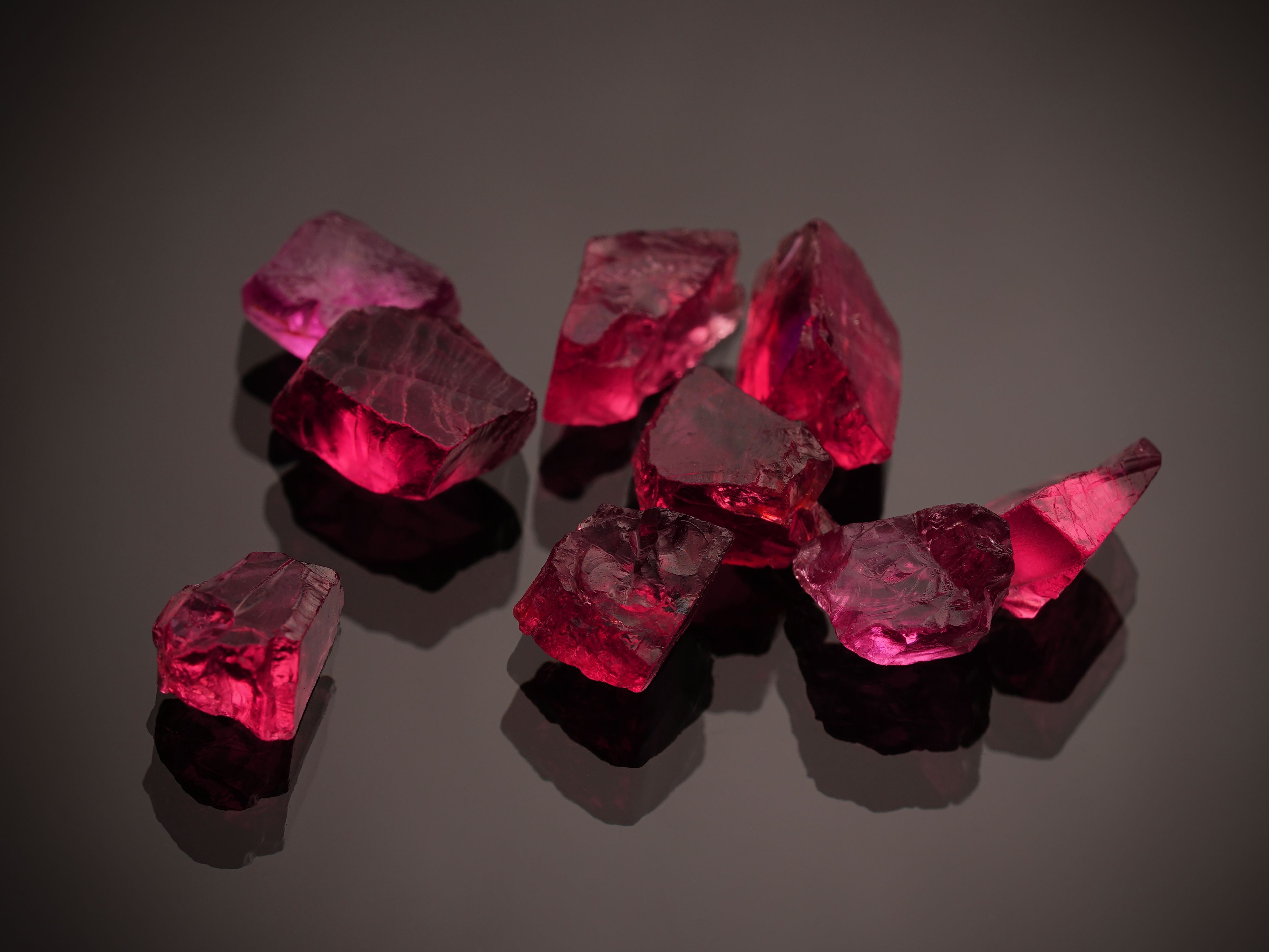
Ruby is the red variety of corundum, a mineral prized for its exceptional hardness. Trace amounts of chromium within its crystal structure produce the red colour. Rubies develop within Earth's crust under demanding geological conditions, and large stones combining vivid colour with high clarity are especially scarce.
Fine untreated rubies can command higher prices per carat than colourless diamonds. Their appeal rests on a combination of colour, size, transparency, origin and whether they have undergone treatment.
Colour, fluorescence and the Mogok connection
The gem trade uses the term “pigeon's blood” for an especially prized, richly saturated red. It is a trade description rather than a separate mineral variety, and its precise criteria can vary between grading organisations.
The Mogok Stone Tract in Myanmar, historically known as Burma, is one of the most celebrated ruby-producing regions. Its marble-hosted rubies can contain very little iron. Low iron content allows chromium-related red fluorescence to remain strong, helping some stones appear to glow under suitable lighting.
Two landmark auction sales
- Estrela de Fura: This 55.55-carat ruby from Mozambique sold for approximately $34.8 million in June 2023, setting a ruby auction record at the time.
- Sunrise Ruby: This untreated, cushion-cut Burmese ruby weighs 25.59 carats. Named after a poem by the Sufi poet Rumi, it sold for more than $30 million in 2015, establishing an earlier ruby auction record.
Famous rubies with distinctive qualities
The Smithsonian's Carmen Lúcia Ruby weighs 23.10 carats. This large, faceted Burmese gemstone is celebrated for its vivid red colour and exceptional transparency.
The 100.32-carat DeLong Star Ruby illustrates a different kind of beauty. Rather than being faceted, it is cut as a cabochon, with a smooth, rounded surface. Tiny internal rutile needles interact with light to produce a six-rayed star. This optical phenomenon is called asterism.
A royal gemstone with a misleading name
The approximately 170-carat Black Prince's Ruby, set in Britain's Imperial State Crown, is not a ruby at all. It is red spinel, a different mineral. Its traditional name reflects a time when similar-looking red gemstones were not reliably distinguished from one another.
Why treatment matters
Heat treatment is widely used to improve ruby colour and clarity. It can alter the appearance of internal inclusions, but it does not make a stone naturally flawless. Treatment status is therefore an important distinction when comparing gemstones: an exceptional untreated ruby belongs to a particularly scarce category.
Key facts
- Ruby is the red variety of the mineral corundum; its colour comes from trace amounts of chromium.
- Myanmar's Mogok region is renowned for rubies formed in low-iron marble deposits.
- The 55.55-carat Estrela de Fura sold for approximately $34.8 million in June 2023.
- The DeLong Star Ruby displays a six-rayed star, an optical effect called asterism.
- The Black Prince's Ruby in Britain's Imperial State Crown is actually red spinel.
Test your knowledge
Ready to quiz yourself on Science & Innovation? Take the quiz now!
Start Quiz →Published by WizdomMaster · Educational content for quiz enthusiasts