
Northern Lights: 10 Facts About Nature’s Cosmic Light Show
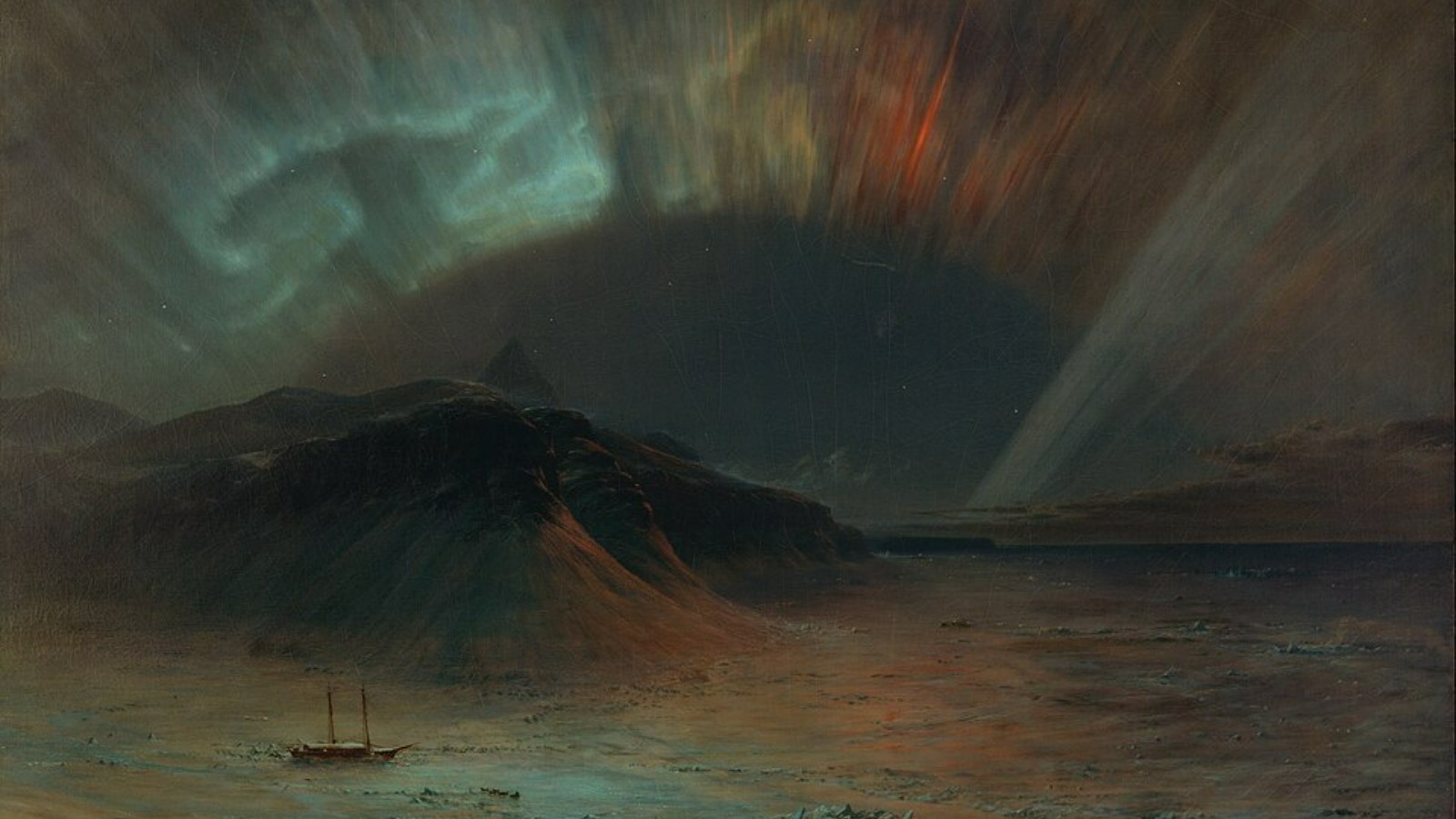
1. A name rooted in mythology
The scientific name for the Northern Lights is Aurora Borealis. Introduced in the 17th century, it brings together Aurora, the Roman goddess of dawn, and Boreas, the Greek god of the north wind.
2. A solar connection powers the display
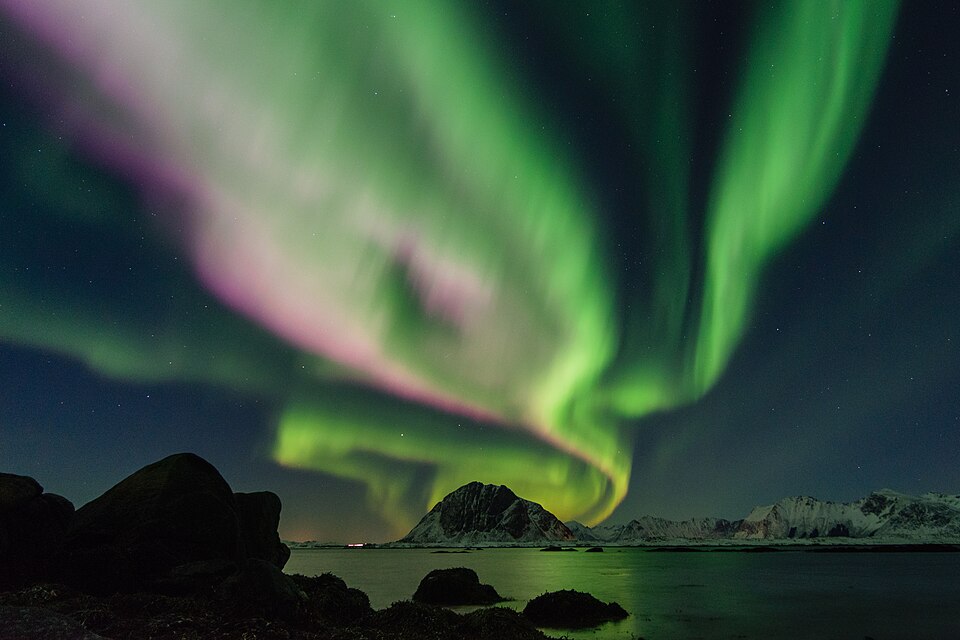
The Sun releases a flow of charged particles called the solar wind. Its interaction with Earth’s magnetic environment transfers energy that can accelerate particles into the upper atmosphere, especially around the polar regions. When these particles collide with atmospheric gases, they excite atoms and molecules, which release light.
3. Different gases create different colors
An aurora’s colors reveal something about the gases involved and the conditions where the light forms.
- Oxygen produces the familiar green glow and can also emit red light at higher altitudes.
- Nitrogen contributes blue and purple hues.
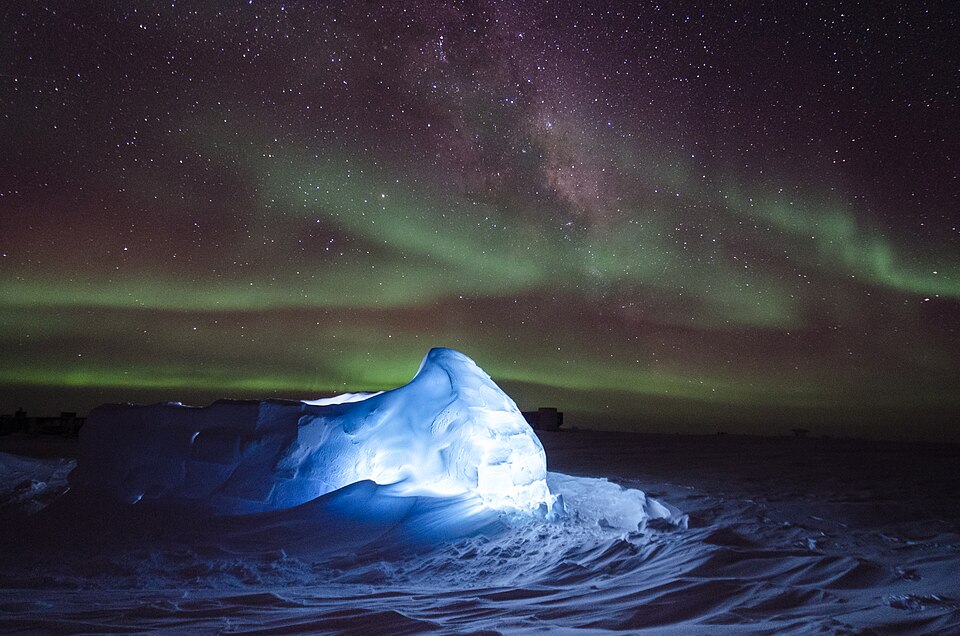
4. The Southern Hemisphere has its own lights
The southern counterpart is called Aurora Australis, or the Southern Lights. It occurs around Earth’s southern polar region and is produced by the same basic processes as Aurora Borealis. The two displays are counterparts, but they are not always exact mirror images.
5. Earth is not the only planet with auroras
Jupiter and Saturn also experience powerful auroras. Both planets have strong magnetic fields that help direct charged particles toward their polar atmospheres. Auroras are therefore a planetary phenomenon, not an exclusively earthly one.
6. STEVE is a different kind of glow
A narrow purple ribbon sometimes seen near auroral activity is known as STEVE: Strong Thermal Emission Velocity Enhancement. Its purple glow is associated with extremely hot, fast-moving gas in the upper atmosphere, rather than the usual particle-collision process that produces ordinary auroras.
7. The lights shine above the weather
Auroral displays commonly form roughly 60–250 miles, or about 100–400 kilometers, above Earth’s surface. This places them far above the lower atmosphere where clouds, rain and most familiar weather occur.
8. Equinoxes favor auroral activity
Auroras occur throughout the year, but activity tends to increase around the spring and autumn equinoxes. The changing orientation of Earth’s magnetic field relative to the solar wind can make energy transfer more effective during these periods.
9. Solar storms can bring the lights farther south
Powerful geomagnetic storms, sometimes triggered by solar eruptions called coronal mass ejections, can expand the auroral zone toward lower latitudes. Exceptional displays have made the Northern Lights visible in places such as Texas, Spain and Mexico.
10. Astronauts see auroras from above—and nearby
The International Space Station orbits near the upper reaches of the typical auroral altitude range. Astronauts can watch luminous curtains below them and, depending on the display’s height and location, may also pass through regions where auroral light is being produced.
Key facts
- Aurora Borealis combines the names of the Roman dawn goddess Aurora and the Greek north-wind god Boreas.
- Auroral light is produced when energetic particles collide with gases in Earth’s upper atmosphere.
- Oxygen produces green and red auroral light; nitrogen contributes blue and purple hues.
- The Southern Hemisphere’s equivalent is called Aurora Australis.
- Powerful solar storms can make auroras visible far beyond polar regions.
Test your knowledge
Ready to quiz yourself on Science & Innovation? Take the quiz now!
Start Quiz →Published by WizdomMaster · Educational content for quiz enthusiasts