
Grand Canyon: 10 Facts About Arizona’s Geological Wonder
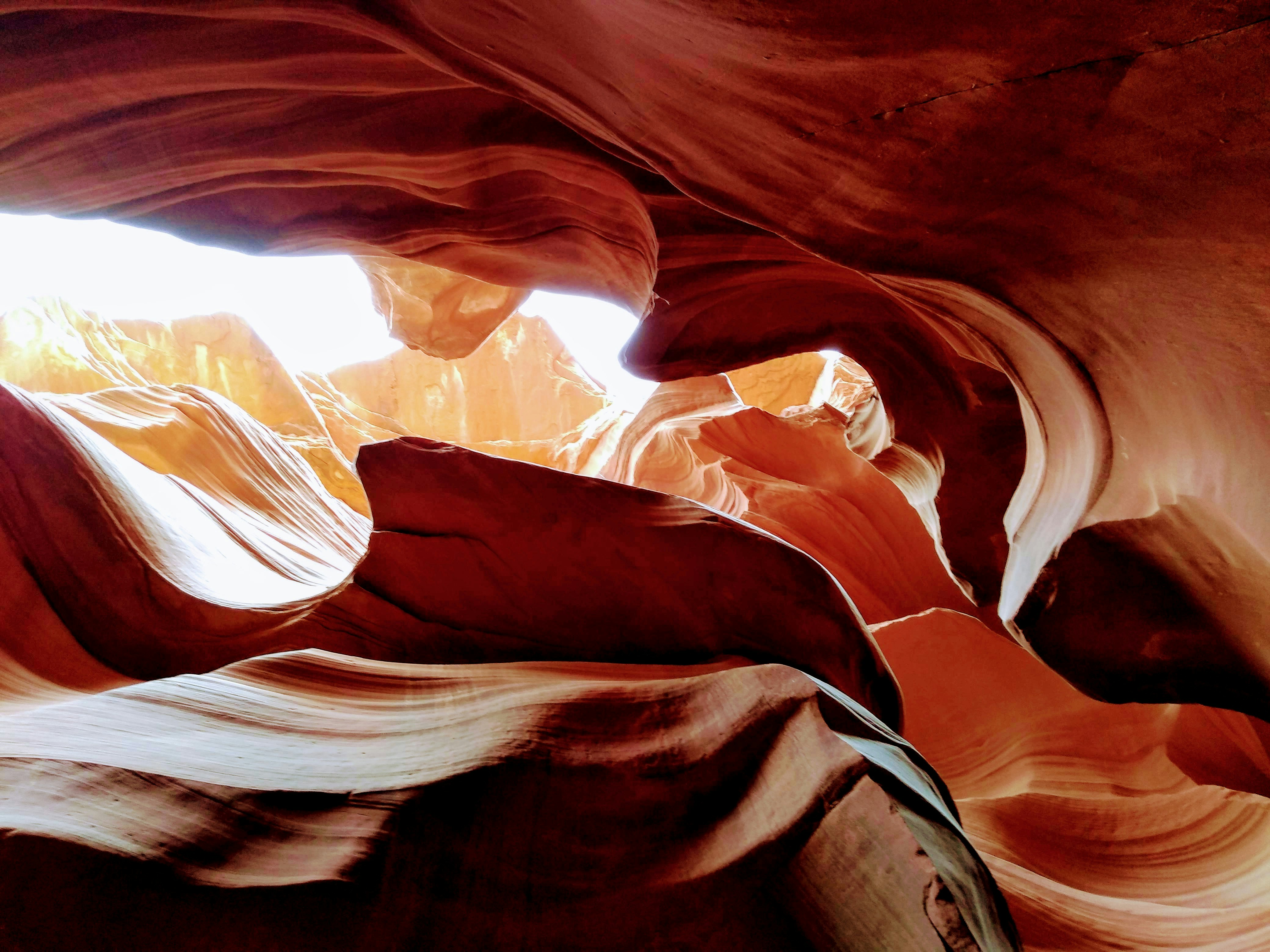
1. A landscape with an ancient foundation
The Grand Canyon stretches for about 277 miles through northern Arizona. Near its bottom lie the Vishnu Basement Rocks, which are nearly 2 billion years old. These rocks formed long before the canyon itself existed, making the landscape a window into an immense span of Earth's history.
2. Famous does not mean deepest
The Grand Canyon is neither the world's deepest canyon nor its longest. Peru's Cotahuasi Canyon and the Yarlung Tsangpo Grand Canyon in Tibet both reach greater depths. Arizona's landmark stands out for its enormous scale and dramatically exposed rock layers, rather than a single world record.
3. A river shaped the main canyon
The Colorado River began carving the main canyon roughly 5–6 million years ago. As it cut downward through elevated terrain, erosion gradually revealed much older rocks. The age of those rocks and the age of the canyon are therefore very different things.
4. Supai's mail arrives by mule
Supai Village lies in a remote side canyon within the Grand Canyon region. This Havasupai community is among the most isolated settlements in the contiguous United States. Pack mules carry its mail, providing a distinctive connection with the outside world.
5. Dinosaur bones are not the main fossil story
The canyon's principal exposed rock layers formed before the dinosaur era. Visitors should not expect dinosaur bones in these ancient walls: the rocks preserve evidence of much earlier environments and forms of life.
6. Footprints preserve prehistoric movement
Some sandstone layers contain fossilized tracks made by ancient reptiles and their relatives before dinosaurs appeared. Unlike bones, these trace fossils record an animal's activity, preserving evidence of movement across a once-soft surface.
7. Temperatures change with elevation
A journey from the rim toward the canyon floor can bring a temperature increase of more than 25 degrees Fahrenheit, or about 14 degrees Celsius. Differences in elevation create distinct local climates, so conditions at a viewpoint may be very different from those deep below.
8. Caves conceal another layer of history
Numerous caves lie within the canyon walls, and many remain unexplored. Some preserve ancient animal remains or Native American artifacts, adding biological and human history to the canyon's geological record.
9. The rims support different habitats
Elevation and climate help produce contrasting ecosystems on the North and South Rims. The Kaibab squirrel is associated with the Kaibab Plateau, including the North Rim, rather than the South Rim. Its restricted range illustrates how geography can shape wildlife distribution.
10. A place of enduring Indigenous connections
Eleven Native American tribes have ancestral ties to the Grand Canyon. For the Hopi, the canyon is connected with traditions describing their ancestors' emergence into this world. It is therefore not simply a geological attraction, but a place of continuing cultural and spiritual importance.
Key facts
- The Grand Canyon extends for about 277 miles across northern Arizona.
- Its Vishnu Basement Rocks are nearly 2 billion years old.
- The Colorado River began carving the main canyon roughly 5–6 million years ago.
- Supai Village receives mail carried by pack mules.
- Eleven Native American tribes have ancestral connections to the canyon.
Test your knowledge
Ready to quiz yourself on Science & Innovation? Take the quiz now!
Start Quiz →Published by WizdomMaster · Educational content for quiz enthusiasts