
Chakras Explained: Origins, Meanings, and Modern Interpretations
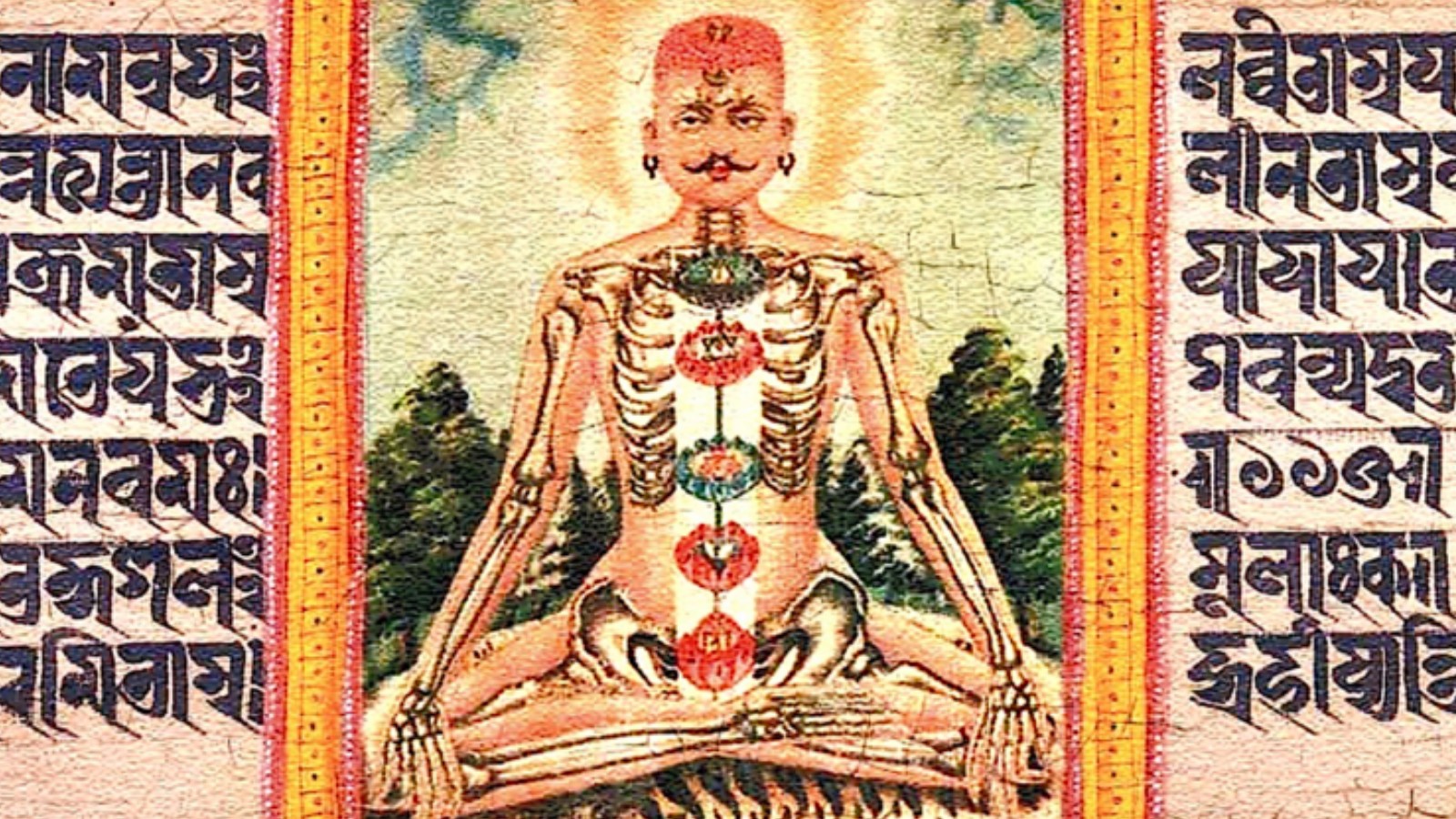
A spiritual map, not an anatomical chart
Chakras offer a way of thinking about connections between bodily experience, emotions, and spiritual life. The term comes from Sanskrit and means “wheel” or “disk.” Within Indian spiritual systems, these centers are understood as part of a subtle framework through which life energy flows.
Chakra ideas developed in traditions that include Hinduism and Buddhism. There is no single model shared by every historical text or practice: both the number of chakras and their meanings can differ.
Why seven chakras are so familiar today
Modern yoga and Western wellness culture have helped popularize a particular arrangement of seven main centers. This model extends from the base of the spine to the crown of the head, linking different centers with particular emotional and spiritual themes.
Illustrations commonly use a rainbow sequence, beginning with red at the root and ending with violet at the crown. These colors belong to a widely used modern presentation rather than a universal standard across historical chakra traditions.
Five named chakras and their associations
The following examples show how individual centers are described in common modern interpretations. Their locations are symbolic, not scientifically established anatomical structures.
- Muladhara, the root chakra: placed at the base of the spine and associated with security, stability, and groundedness. Its usual modern color is red.
- Svadhisthana, the sacral chakra: associated with creative expression, pleasure, and emotional life. Orange is its common modern color.
- Anahata, the heart chakra: occupies the middle of the seven-center arrangement and represents themes of compassion, love, and connection. It is commonly colored green.
- Vishuddha, the throat chakra: associated with expressing oneself and communicating. Blue is its usual color in modern diagrams.
- Ajna, the sixth chakra or third eye: often shown between the eyebrows. Its traditional themes include insight and perception; modern accounts also emphasize intuition and assign it indigo.
Spiritual significance and scientific evidence
Chakras can be meaningful as a framework for meditation, personal reflection, and well-being. However, scientific evidence has not established their existence as physical energy centers in the human body. Understanding that distinction allows readers to explore their spiritual significance without mistaking symbolic teachings for verified anatomy.
Key facts
- Chakra is a Sanskrit word meaning “wheel” or “disk.”
- Chakra concepts appear in Indian spiritual traditions, including Hinduism and Buddhism.
- The familiar modern model places seven main chakras from the spinal base to the crown of the head.
- Rainbow color assignments are common in modern teachings but are not universal historically.
- Chakras are not scientifically established physical energy centers.
Test your knowledge
Ready to quiz yourself on Philosophy & Insight? Take the quiz now!
Start Quiz →Published by WizdomMaster · Educational content for quiz enthusiasts