
Chakras Explained: Origins, Symbols and Science
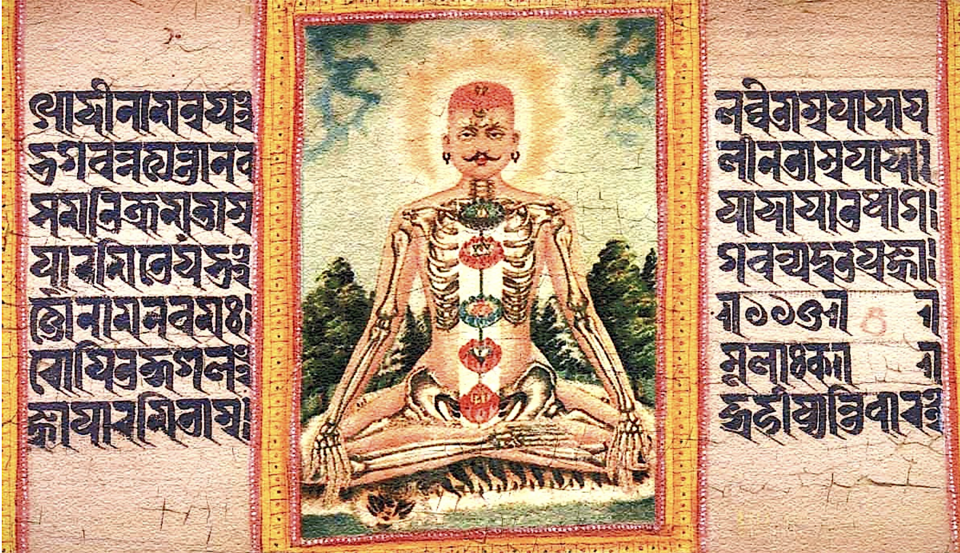
What does chakra mean?
The word chakra comes from Sanskrit and means “wheel” or “disk.” In several Indian spiritual traditions, it describes a subtle energy center associated with the movement of life energy. This is a spiritual concept rather than an established anatomical feature.
Indian roots, varied traditions
Ideas about chakras developed within Indian religious and spiritual traditions, including Hinduism and Buddhism. Historical texts and practices do not all describe the same system: both the number of chakras and their meanings can differ.
This variety matters. The chakra model familiar from a contemporary yoga class should not be treated as a single, unchanged teaching shared by every historical tradition.
The modern seven-chakra model
Modern yoga and Western wellness culture have helped popularize a system of seven main chakras. These are arranged symbolically along the body, extending from the base of the spine to the crown of the head. Each is connected with particular themes involving bodily experience, emotions or spiritual life.
Modern diagrams often show a rainbow sequence, beginning with red at the root and ending with violet at the crown. These standardized color assignments are common today, but they are not universal features of historical chakra teachings.
Five notable chakras and their associations
- Root chakra — Muladhara: symbolically located at the base of the spine. Modern interpretations connect it with stability, security and feeling grounded. Its usual modern color is red.
- Sacral chakra — Svadhisthana: commonly associated with creativity, pleasure and emotional expression. Popular modern illustrations represent it in orange.
- Heart chakra — Anahata: positioned at the center of the seven-chakra system and linked with love, compassion and connection. Its commonly assigned color is green.
- Throat chakra — Vishuddha: associated in modern teachings with communication and self-expression. It is usually represented in blue.
- Third-eye chakra — Ajna: the sixth chakra, often depicted between the eyebrows. It is traditionally linked with insight and perception; modern interpretations also emphasize intuition and assign it the color indigo.
Spiritual meaning and scientific evidence
Chakras hold meaning within spiritual traditions, but there is no established scientific evidence that they exist as physical energy centers in the human body.
Many people nevertheless use chakra-based practices as a framework for meditation, reflection and personal well-being. The important distinction is between using a meaningful spiritual model and claiming that the model describes scientifically verified bodily structures.
Key facts
- The Sanskrit word chakra means “wheel” or “disk.”
- Chakra concepts developed in Indian traditions, including Hinduism and Buddhism.
- The familiar modern system describes seven main centers from the base of the spine to the crown of the head.
- Standardized rainbow colors are not universal across historical chakra traditions.
- Chakras have not been scientifically established as physical energy centers.
Published by WizdomMaster · Educational content for quiz enthusiasts