
The Ottoman Empire: Six Centuries Across Three Continents
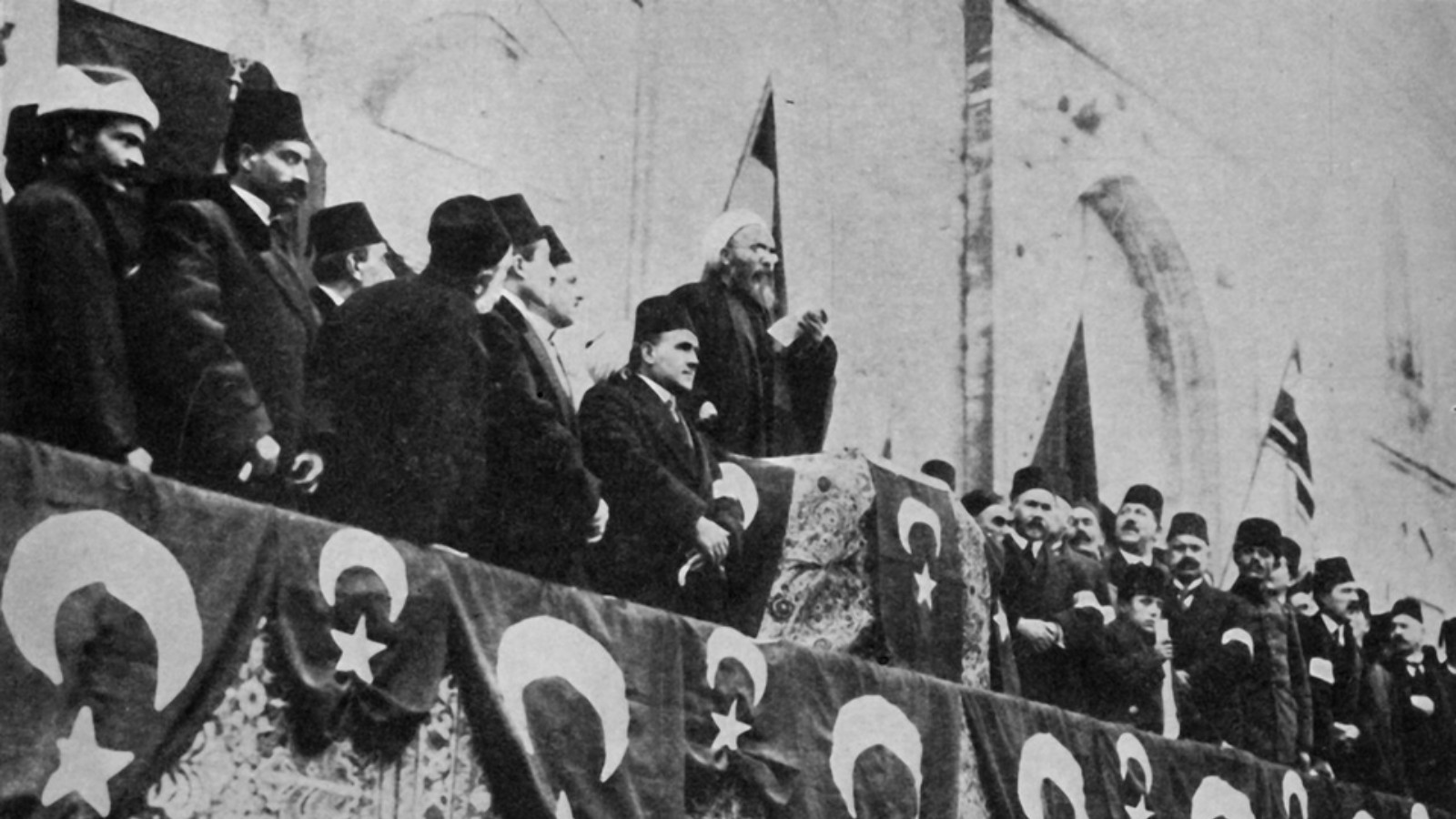
A dynasty spanning more than 600 years
The Ottoman Empire grew from a small Anatolian principality into a major power linking three continents. Its beginnings are conventionally dated to around 1299, and it took its name from its founder, Osman I. His dynasty remained the ruling house until the Ottoman sultanate was abolished in 1922.
During the 16th and 17th centuries, Ottoman territories extended across Southeastern Europe, Western Asia, and North Africa. This position placed the empire at the intersection of important commercial routes, religious communities, and political rivalries.
The conquest of Constantinople
In 1453, Sultan Mehmed II captured Constantinople at the age of 21. Large gunpowder cannons helped his forces breach the city's formidable defenses. The conquest ended the Byzantine Empire and transformed the city into the Ottoman capital.
The city is now called Istanbul, but its naming history was gradual: Mehmed did not simply replace the name Constantinople with Istanbul immediately after the conquest. Different names continued to circulate for centuries.
Military power and dynastic succession
Ottoman rulers developed institutions designed to strengthen both the army and the dynasty, sometimes through coercive and violent measures.
- The Janissaries were an elite standing infantry corps. For much of their early history, recruitment was closely connected to the devshirme system, under which Christian boys were taken into Ottoman service, converted to Islam, and trained for military or administrative roles.
- Mehmed II's dynastic law permitted a ruler to execute his brothers in the stated interest of preserving political order. This practice sought to prevent rival princes from launching succession struggles, although it did not eliminate such conflicts.
Refuge and cultural exchange
In 1492, Spain ordered its Jews to convert to Christianity or leave. Sultan Bayezid II welcomed Sephardic Jewish refugees into Ottoman lands. Their communities contributed to the empire's commerce, scholarship, and urban culture.
Ottoman influence also traveled through plants and social customs. Tulips were admired in Ottoman court culture before becoming closely associated with the Netherlands. Their movement into European gardens formed part of wider diplomatic and commercial exchanges.
By the mid-16th century, coffeehouses were established in Istanbul. They became gathering places for conversation, games, and news. Ottoman coffee culture helped shape the drink's spread, while coffeehouses expanded across European cities mainly during the 17th century.
An illustrated approach to surgery
The 15th-century Ottoman physician Şerafeddin Sabuncuoğlu produced an illustrated surgical manual describing instruments and operations. His work included procedures associated with reconstructive surgery, offering a valuable record of surgical knowledge and practice in his era.
Decline and the end of the sultanate
During the 19th century, European observers increasingly portrayed the Ottoman state as the “Sick Man of Europe.” The label reflected perceptions of its military setbacks, territorial losses, and vulnerability to outside powers.
Nevertheless, the empire survived into the 20th century. The abolition of the sultanate in 1922 ended the Ottoman monarchy; the Republic of Turkey was proclaimed in 1923.
Key facts
- The Ottoman state is conventionally dated from around 1299 to the abolition of the sultanate in 1922.
- At its height, the empire held territory in Southeastern Europe, Western Asia, and North Africa.
- Mehmed II conquered Constantinople in 1453, ending the Byzantine Empire.
- Bayezid II welcomed Sephardic Jews expelled from Spain in 1492.
- The Janissaries were elite infantry closely associated with the devshirme recruitment system.
Test your knowledge
Ready to quiz yourself on History & Heritage? Take the quiz now!
Start Quiz →Published by WizdomMaster · Educational content for quiz enthusiasts