
Han Dynasty: 10 Facts About Ancient China’s Golden Age
An empire with a lasting legacy
The Han dynasty conventionally spans 202 BCE to 220 CE, although its rule was interrupted by the short-lived Xin dynasty. Its achievements in administration, technology and scholarship made it one of the defining periods of ancient Chinese history. These ten facts explain why its influence endured.
1. Its founder rose from humble origins
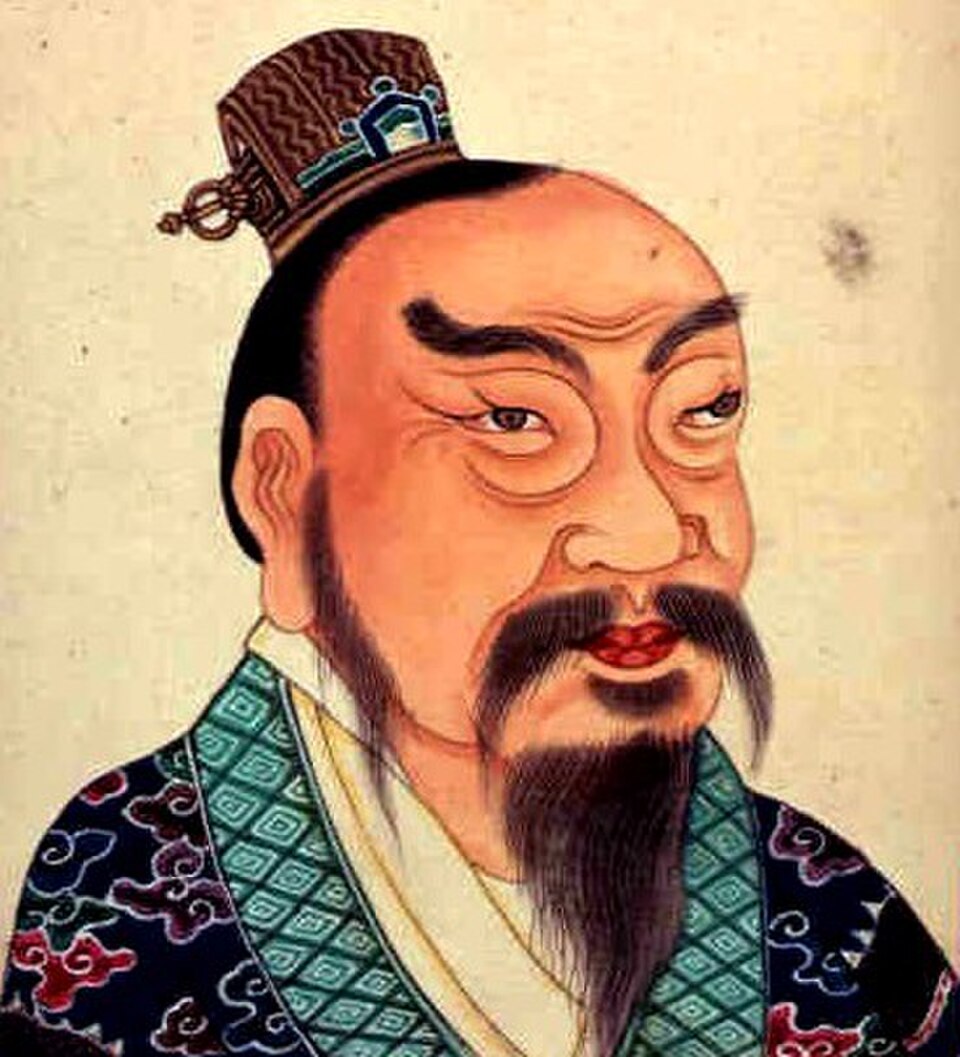
Liu Bang, later known as Emperor Gaozu, founded the Han dynasty in 202 BCE. Born into a peasant family, he became a rebel leader during the upheavals surrounding the collapse of the Qin dynasty. After defeating rival contenders, he established a new imperial ruling house.
2. Cai Lun improved papermaking
Around 105 CE, court official Cai Lun presented an improved papermaking method using materials such as tree bark, hemp waste and old cloth. Paper had already existed in China, so calling him its sole inventor oversimplifies the evidence. His traditional importance lies in refining and promoting a technology that would transform record-keeping and the transmission of knowledge.
3. Diplomacy helped develop Silk Road connections
During the second century BCE, imperial envoy Zhang Qian travelled into Central Asia. His missions brought the Han court valuable information about western regions and helped strengthen diplomatic and commercial connections. The routes later called the Silk Road formed a network rather than a single highway. Through intermediaries, Chinese silk could travel as far as the Roman world.
4. Zhang Heng built an earthquake detector
In 132 CE, scholar and inventor Zhang Heng devised an instrument intended to indicate the direction of distant earthquakes. Historical descriptions portray a bronze vessel with dragon heads holding balls above open-mouthed toads. A released ball signalled a direction. The device was a seismoscope: it detected an event rather than producing the continuous movement records associated with modern seismographs.
5. The Han name became part of Chinese identity
The dynasty’s cultural significance survives in the name of China’s majority ethnic group: the Han Chinese. This enduring name reflects the dynasty’s place in Chinese historical identity, not an unchanged population or culture stretching back two thousand years.
6. Elite burials included jade suits
Some members of the Han imperial elite were buried in body coverings assembled from thousands of small jade plates. Gold wire joined the plates in particularly prestigious examples, while other suits used different materials. These costly objects reflected beliefs linking jade with bodily preservation and protection after death.
7. Hua Tuo was associated with surgical anesthesia
Historical accounts credit the physician Hua Tuo, who lived during the late Han period, with using a preparation called mafeisan to anesthetize patients for surgery. Its exact composition is unknown, and the surviving accounts do not establish its effects by modern medical standards. It is best understood as an early reported anesthetic, rather than a securely documented equivalent of modern general anesthesia.
8. Palace eunuchs became political power brokers
Eunuchs serving within the imperial palace could gain influence through their close access to the emperor. During the later Han period, powerful eunuch factions competed with officials and families related to empresses. Conflicts over appointments, succession and control of the court contributed to political instability.
9. Salt and iron supported state finances
Under Emperor Wu, the Han government established state monopolies over salt and iron. Control of these valuable industries helped raise revenue for an expanding empire, including military expenditure. The policies also prompted debate about the proper balance between government intervention and private economic activity.
10. Sima Qian reshaped historical writing
Sima Qian compiled the Shiji, commonly translated as Records of the Grand Historian. It covered Chinese history from legendary beginnings to his own Han-era world. Rather than using only a chronological narrative, it combined annals, tables, treatises, accounts of hereditary houses and biographies. This structure became an influential model for later Chinese histories.
Key facts
- Liu Bang, known as Emperor Gaozu, founded the Han dynasty in 202 BCE.
- Cai Lun is traditionally credited with improving papermaking around 105 CE; paper existed earlier.
- Zhang Qian’s diplomatic missions helped expand connections between China and Central Asia.
- Zhang Heng devised an earthquake-detecting instrument in 132 CE.
- Sima Qian’s Shiji became a foundational work of Chinese historical writing.
Test your knowledge
Ready to quiz yourself on History & Heritage? Take the quiz now!
Start Quiz →Published by WizdomMaster · Educational content for quiz enthusiasts