
The Opium Wars: Trade, Conflict, and China's Sovereignty
Two wars that changed China's foreign relations
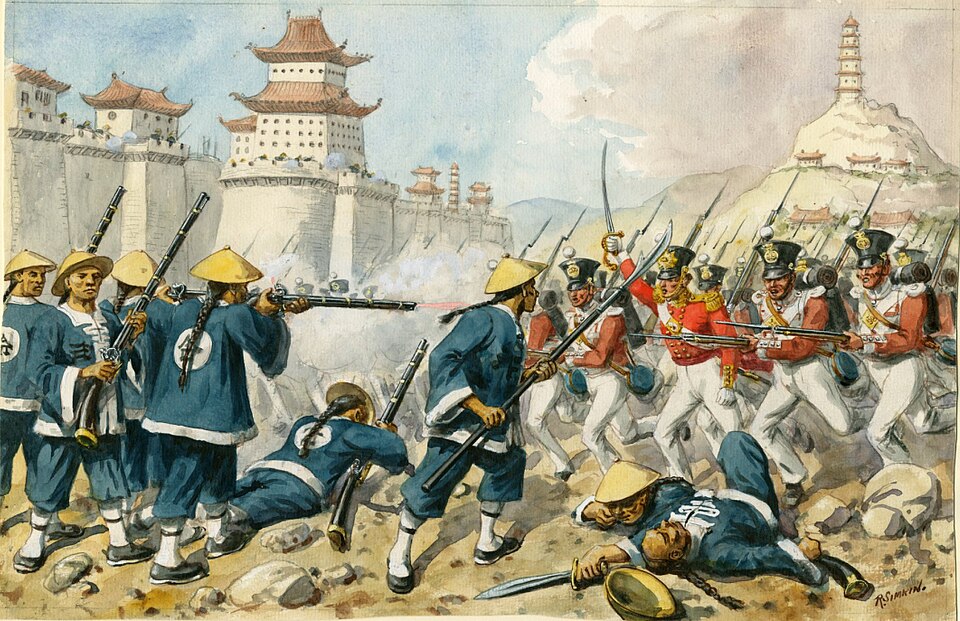
The Opium Wars were two separate conflicts over commerce, the opium trade, and diplomatic relations. Their outcomes gave foreign powers greater access to China while weakening Chinese control over territory and trade.
- The First Opium War, from 1839 to 1842, was fought mainly between China and Britain.
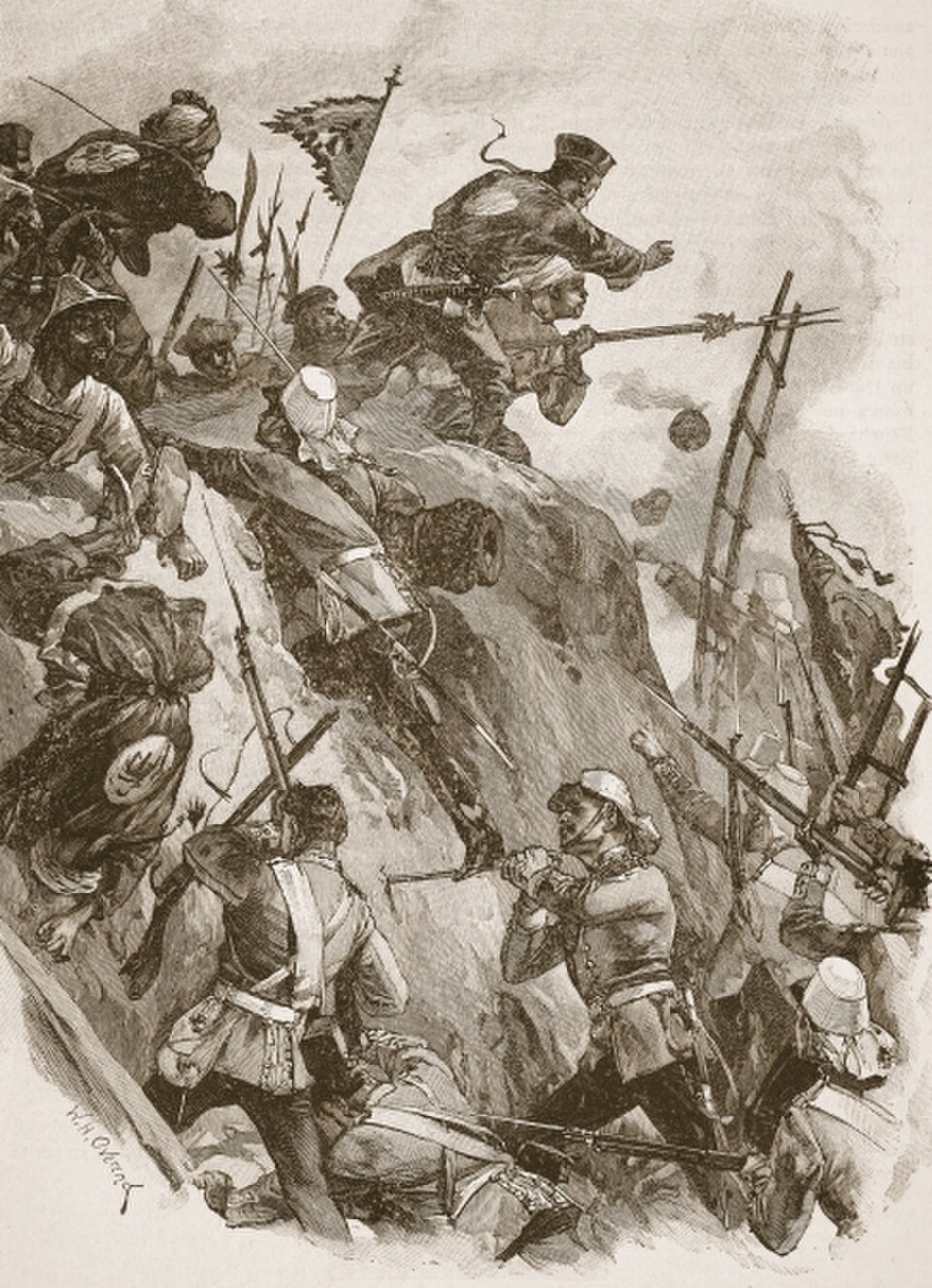
- The Second Opium War, from 1856 to 1860, pitted Britain and France against China.
How opium became a trade flashpoint
British consumers bought large quantities of Chinese tea, silk, and porcelain. China, however, showed comparatively little demand for British products. British merchants increasingly used sales of opium from India to help finance purchases of Chinese goods.
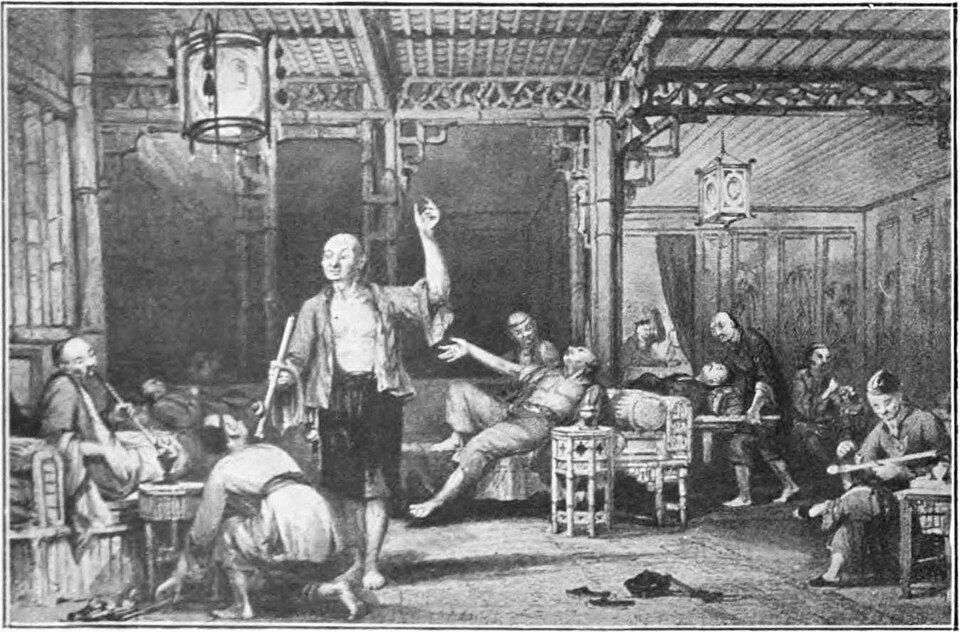
This commercial arrangement carried severe human costs. Growing opium use caused addiction and raised social and public-health concerns in China. Efforts by Chinese officials to curb the trade brought them into conflict with foreign merchants who profited from it.
Lin Zexu and the confrontation at Humen
In 1839, the Chinese official Lin Zexu ordered large stocks of foreign-owned opium destroyed at Humen, near Canton, the city now known as Guangzhou. His action became a decisive turning point in the worsening confrontation with Britain.
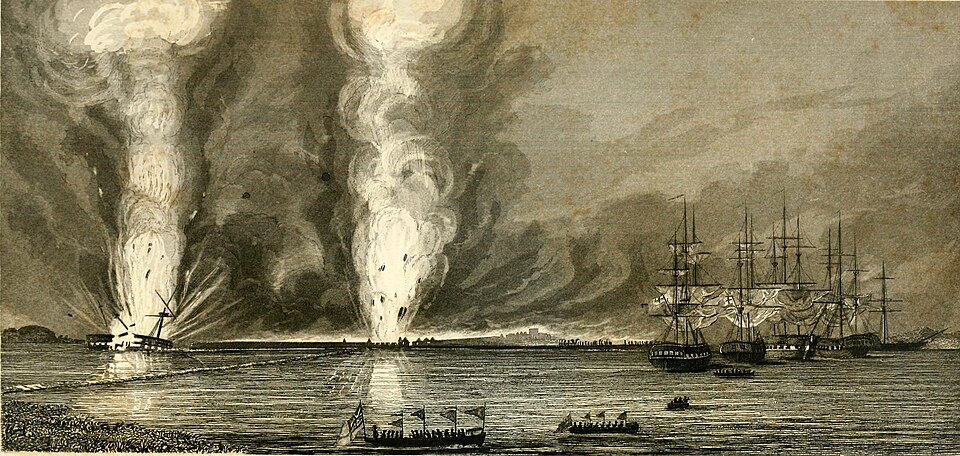
Once fighting began, Britain benefited from steam-powered warships and modern weapons. Chinese forces struggled to counter the British navy's technology and tactics in many engagements.
The Treaty of Nanjing
The First Opium War ended with the Treaty of Nanjing in 1842. Its principal terms required China to:
- Open five treaty ports to British trade.
- Pay an indemnity, a financial compensation payment.
- Cede Hong Kong Island to Britain.
The settlements imposed on China formed part of a broader system known as the unequal treaties. Foreign powers secured commercial privileges and, under some agreements, special legal protections for their nationals. These arrangements restricted Chinese authority rather than establishing relations on equal terms.
The Second War and the Old Summer Palace
Britain and France fought China in the Second Opium War between 1856 and 1860. During their military campaign in 1860, the Old Summer Palace near Beijing was looted and burned. Its destruction became an enduring symbol of cultural loss through foreign intervention.
Hong Kong and the wars' lasting legacy
The territory ceded in 1842 was Hong Kong Island, not all the territory that later made up British Hong Kong. Additional areas came under British control through subsequent agreements. Hong Kong remained under British rule until its handover to China in 1997.
In Chinese historical memory, the Opium Wars are closely associated with the period called the “Century of Humiliation.” Their consequences helped shape lasting debates about foreign interference, national sovereignty, and the need for modernization.
Key facts
- The First Opium War lasted from 1839 to 1842; the Second lasted from 1856 to 1860.
- Lin Zexu ordered the destruction of foreign-owned opium at Humen in 1839.
- The 1842 Treaty of Nanjing opened five treaty ports to British trade and ceded Hong Kong Island to Britain.
- The Old Summer Palace near Beijing was looted and burned in 1860.
- Hong Kong returned to Chinese rule in 1997.
Test your knowledge
Ready to quiz yourself on History & Heritage? Take the quiz now!
Start Quiz →Published by WizdomMaster · Educational content for quiz enthusiasts