
History of Pearls: From Royal Tribute to Cultured Gems
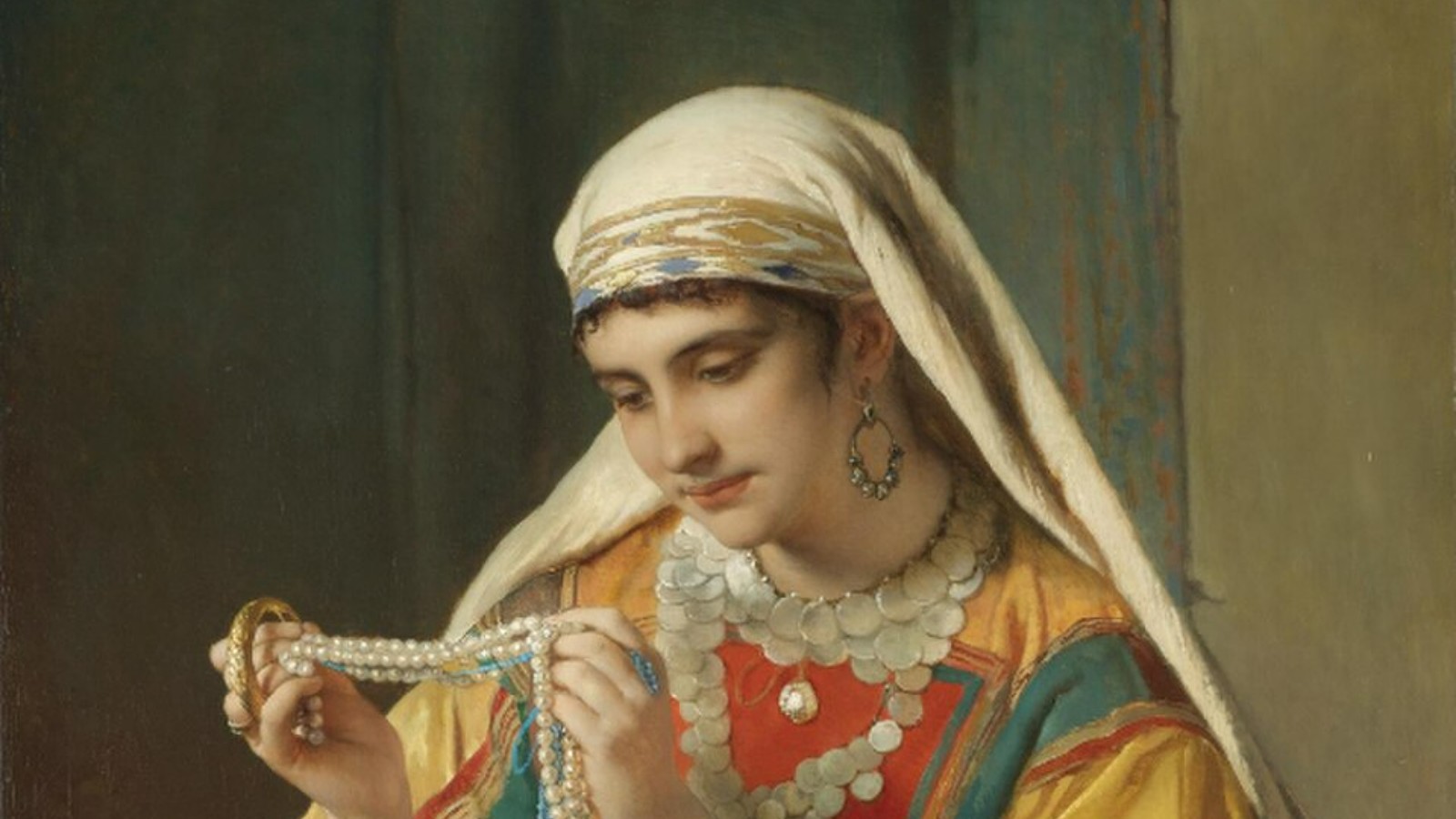
1. Gems made by living animals
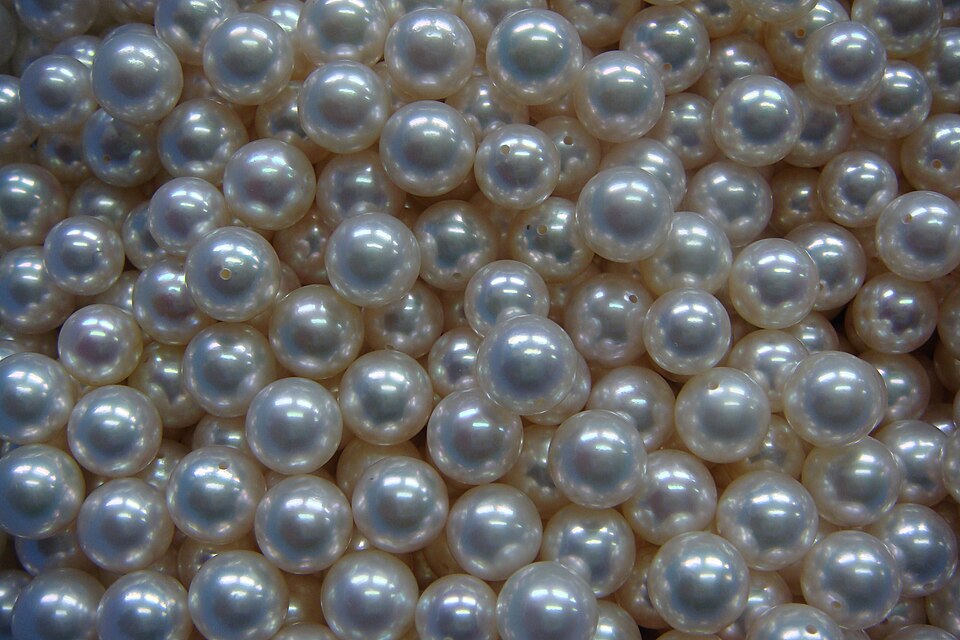
Unlike mineral gemstones extracted from rock, pearls develop inside living mollusks. Pearl-producing animals inhabit oceans, rivers, and lakes. For thousands of years, the rarity and beauty of their pearls have made them prized ornaments and symbols of status.
2. Pearls as royal tribute
Histories of pearls commonly cite 2206 BCE as the date of an early Chinese reference to pearls presented as royal tribute. This traditional dating connects pearls with elite gift-giving long before they became widely available jewelry.
3. Roman luxury and social rank
In ancient Rome, pearls advertised wealth and standing. Julius Caesar is credited with restricting their use to women of a privileged social rank. Ancient accounts also suggest that Britain’s pearls helped attract his interest in the island, although this should not be treated as a complete explanation for his military campaigns.
4. Cleopatra’s legendary wager
An ancient story describes Cleopatra challenging Mark Antony over the cost of a banquet. To demonstrate her extraordinary wealth, she supposedly dissolved a valuable pearl from an earring in vinegar and drank it. The episode belongs to the tradition of stories about Cleopatra’s extravagance rather than securely established historical fact.
5. Early Chinese pearl cultivation
Long before modern pearl farms, Chinese artisans experimented with freshwater mussels. One technique involved placing small Buddha-shaped objects inside the shells, allowing the animals to cover them with nacre, or mother-of-pearl. These shaped, shell-attached creations differed from the loose, round pearls familiar in necklaces.
6. The Persian Gulf’s pearl economy
For centuries, the Persian Gulf was one of the world’s most important sources of natural saltwater pearls. Its oyster grounds supported diving communities and trading networks that supplied distant luxury markets.
7. A dangerous search
Traditional pearl divers worked without modern breathing equipment. Repeated underwater descents exposed them to drowning, exhaustion, and dangerous marine animals. Finding a valuable natural pearl could require opening very large numbers of oysters, making success uncertain even after substantial effort.
8. Japan and the cultured-pearl breakthrough
In the early twentieth century, Japanese entrepreneur Mikimoto Kōkichi helped turn pearl cultivation into a major commercial industry. Advances in producing round cultured pearls transformed the jewelry trade and brought pearls within reach of a much wider market.
- Natural pearls form without deliberate human initiation.
- Cultured pearls grow inside living mollusks after people initiate the process.
- Cultured pearls are genuine pearls, not imitation beads.
Cultured pearls now account for the overwhelming majority of pearls traded for jewelry.
9. More than a grain of sand
The familiar sand-grain explanation oversimplifies pearl formation. Parasites or tissue injuries can trigger the process. In nacreous pearls, the animal deposits layers containing aragonite, a crystalline form of calcium carbonate, together with organic material. These layers create the pearl’s characteristic luster.
10. Why acids damage pearls
Calcium carbonate reacts with acids. Lemon juice and vinegar can therefore attack a pearl’s surface and damage its shine. Perfumes and other cosmetics can also harm pearls, so keeping them away from harsh chemicals helps preserve their delicate finish.
Key facts
- Pearls form inside mollusks in both freshwater and saltwater environments.
- The Persian Gulf was a major historical source of natural saltwater pearls.
- Cleopatra’s pearl-and-vinegar wager is an ancient story, not an established historical event.
- Mikimoto Kōkichi helped commercialize cultured pearls in Japan.
- Acids can damage pearls by reacting with their calcium carbonate.
Test your knowledge
Ready to quiz yourself on History & Heritage? Take the quiz now!
Start Quiz →Published by WizdomMaster · Educational content for quiz enthusiasts