
Beethoven
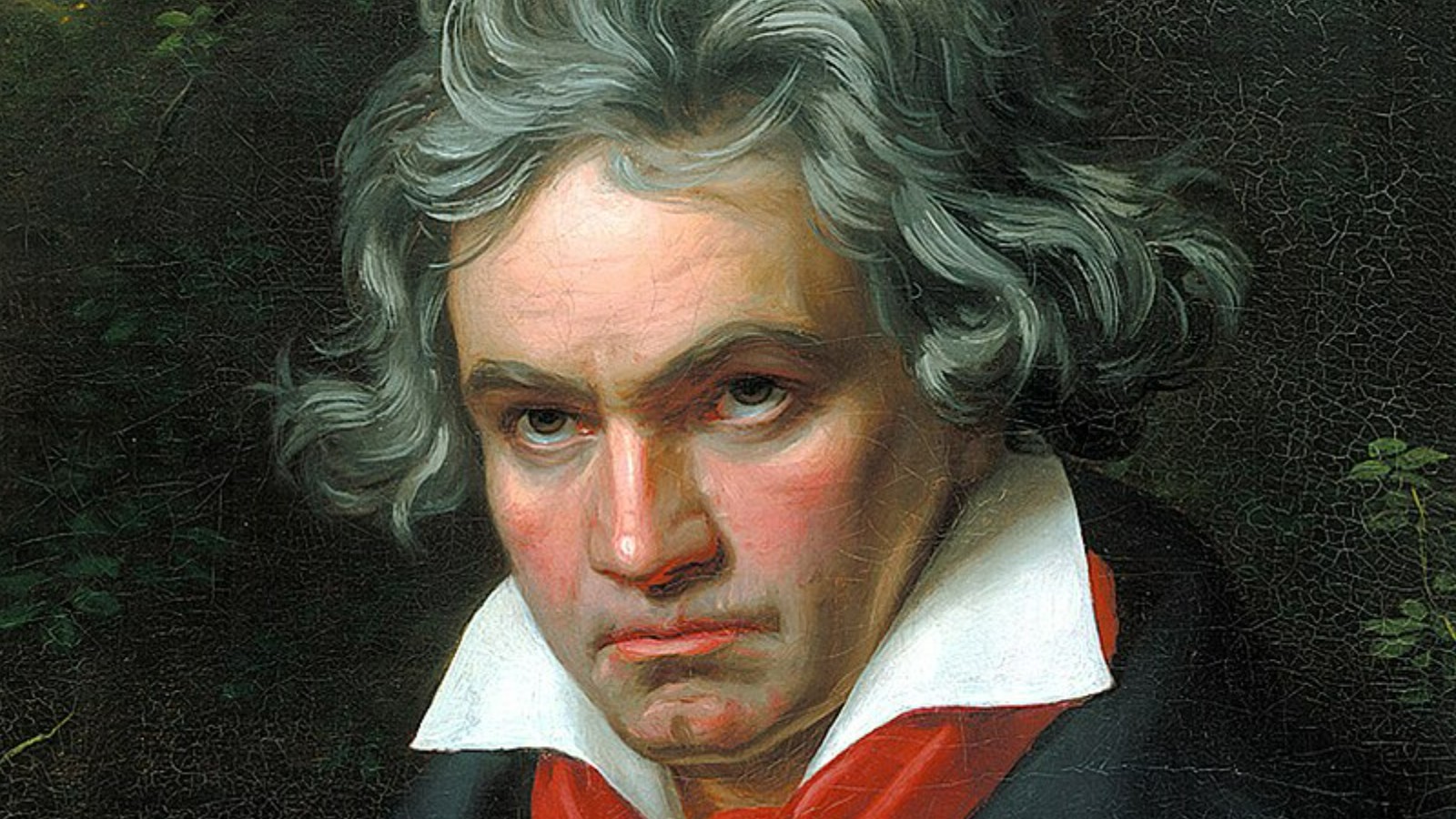
"title": "Ludwig van Beethoven: The Life and Legacy of a Musical Titan",
"slug": "ludwig-van-beethoven-life-and-legacy",
"section": "History & Heritage",
"read_time": 6,
"standfirst": "Explore the extraordinary life, career, and enduring legacy of Ludwig van Beethoven, the German composer and pianist who bridged the Classical and Romantic eras.",
"body": "Introduction to Ludwig van Beethoven
Ludwig van Beethoven (baptised 17 December 1770 – 26 March 1827) was a German composer, conductor, and pianist[cite: 1]. Regarded as one of the greatest composers in the history of Western music, his musical style served as a key driver of the transition from the Classical period to the Romantic era[cite: 1]. He expanded instrumental forms such as the symphony, the piano sonata, and the string quartet[cite: 1], leaving behind works that remain among the most performed and studied in the world[cite: 1].
Early Life and Education in BonnBorn in Bonn, Germany[cite: 1], Beethoven showed exceptional musical talent from an early age[cite: 1]. He was initially taught intensively by his father, Johann van Beethoven[cite: 1], a court musician, who attempted to promote him as a child prodigy[cite: 1]. Later, he studied under important figures such as Christian Gottlob Neefe[cite: 1], who taught him composition and introduced him to monumental works like Johann Sebastian Bach's The Well-Tempered Clavier[cite: 1]. At the age of 21, Beethoven moved to Vienna[cite: 1], which would remain his permanent base[cite: 1].
Career Periods and EvolutionBeethoven's career is traditionally divided into three distinct periods:
- Early Period: Influenced by the classical styles of Joseph Haydn and Wolfgang Amadeus Mozart[cite: 1]. During this time, he established himself as a virtuoso pianist[cite: 1] and published his earliest opus numbers, including his first piano trios and early sonatas[cite: 1]. Around 1798, he also began experiencing the first symptoms of hearing loss[cite: 1].
- Middle ("Heroic") Period (1802–1812): Marked by a distinctive, expansive style[cite: 1]. Notable compositions from this era include his Third (Eroica) and Fifth Symphonies, the opera Fidelio, the Violin Concerto, and middle-period piano sonatas like the Waldstein and Appassionata[cite: 1].
- Late Period (1812–1827): Characterized by deeply innovative and introspective masterpieces[cite: 1]. Key works from these final years include the Missa Solemnis, the groundbreaking Ninth Symphony (the first major choral symphony), the Diabelli Variations, and his profound late string quartets[cite: 1].
After enduring months of severe illness, Beethoven died on 26 March 1827 in Vienna at the age of 56[cite: 1]. His profound influence extended across generations of subsequent composers, transforming the perception of the artist from a paid servant to an autonomous creative genius. This article is based on reporting originally published by Wikipedia.
"}
Published by WizdomMaster · Educational content for quiz enthusiasts