
Sugar Skulls: The Meaning Behind Mexico’s Colorful Tributes
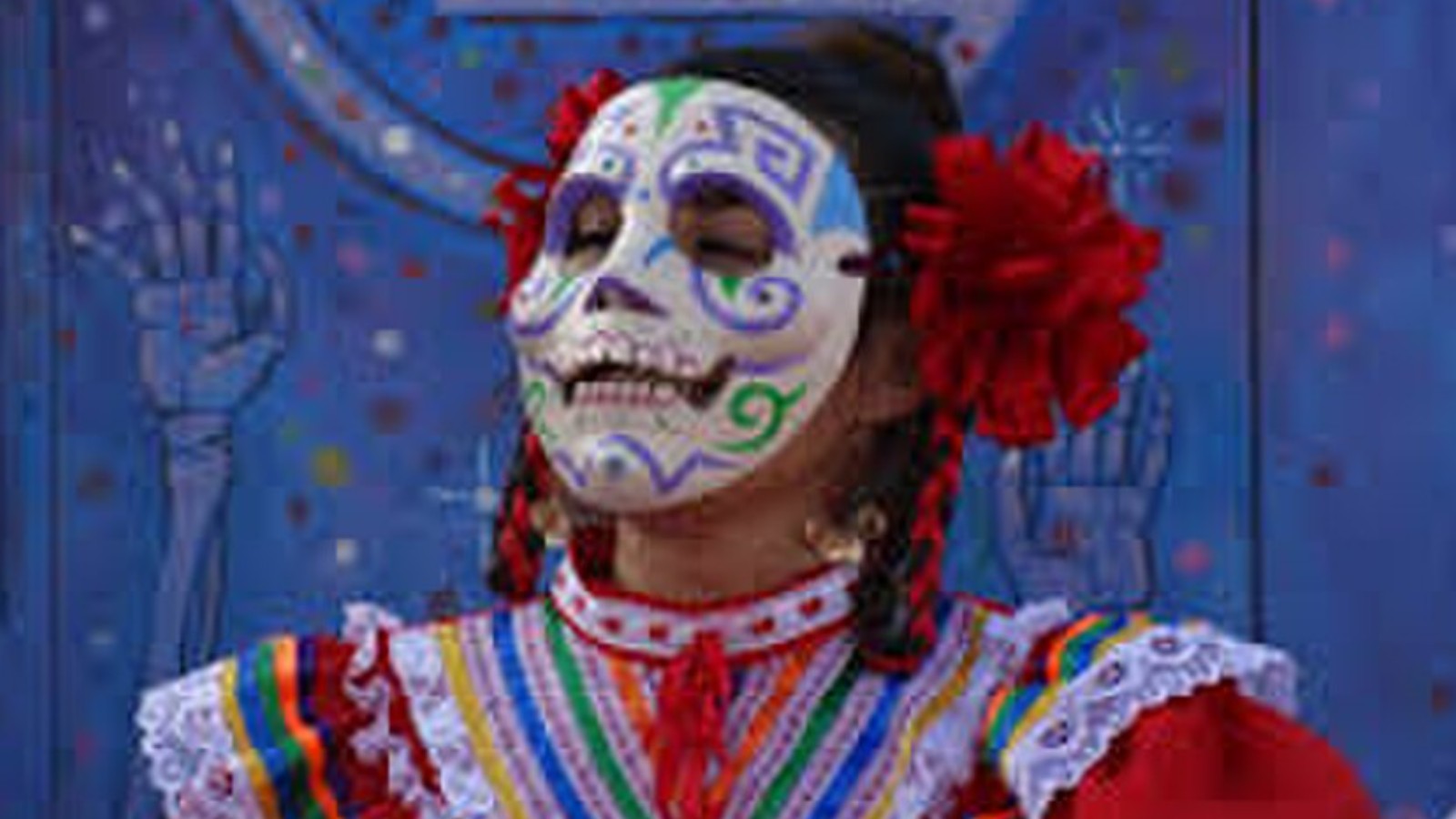
A Celebration of Memory, Not Horror
A skull covered in bright patterns might seem an unlikely tribute to someone loved. In Mexico’s Día de los Muertos, or Day of the Dead, that contrast is part of its meaning: death is acknowledged as a natural part of life, while the departed are remembered with affection.
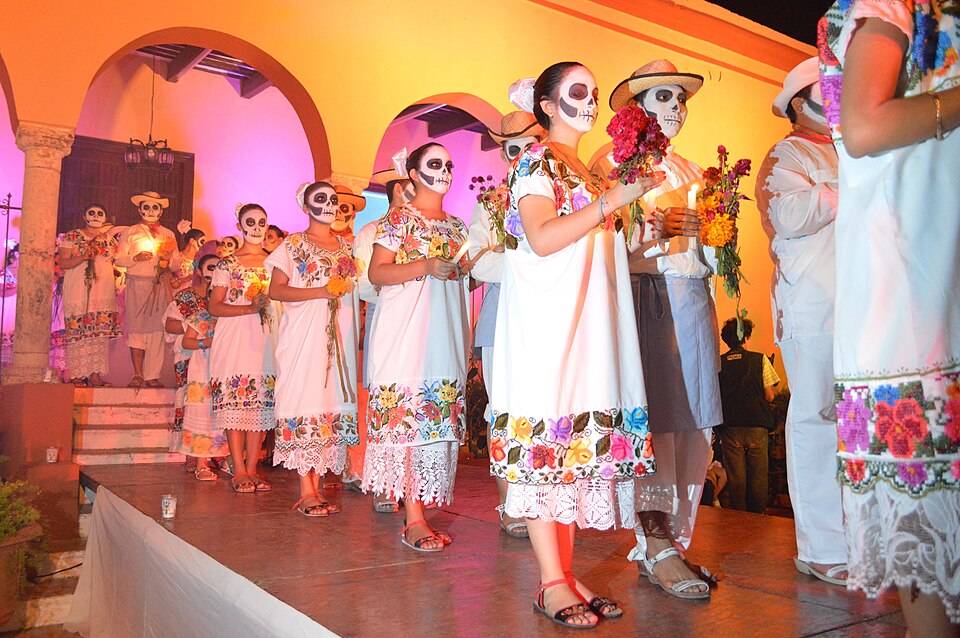
Celebrated on November 1 and 2, the holiday brings memories of deceased loved ones into family gatherings. Sugar skulls belong to this tradition of remembrance rather than to the imagery of horror.
How Sugar Becomes Folk Art
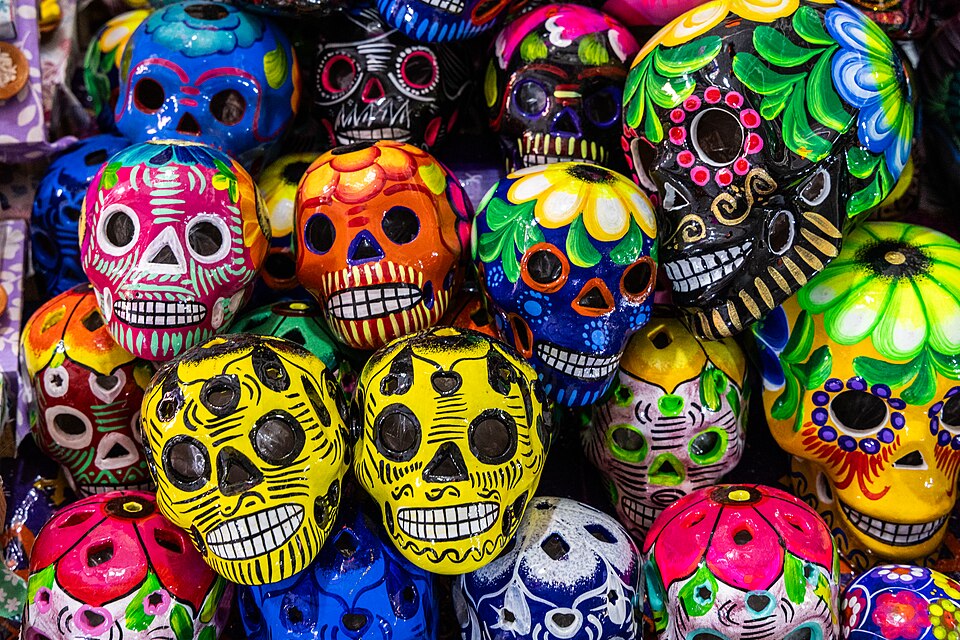
Traditional sugar skulls begin with granulated sugar pressed into skull-shaped molds. After drying, the forms are decorated with colorful icing, foil, and other embellishments.
- Flowers, hearts, dots, and swirling patterns are common decorative elements.
- Some skulls display a deceased person’s name across the forehead, making the tribute personal.
- Although traditional sugar versions can be edible, many are intended mainly for display.
- Modern skulls may also be made from chocolate, clay, or other materials.
The variety of colors and patterns makes each decorated skull a small expression of folk art.
A Place Among Family Offerings
Sugar skulls can appear on family altars alongside photographs, candles, food, flowers, and objects with personal significance. These arrangements of offerings, called ofrendas, honor those who have died.
Marigolds are another important feature of the celebrations. Known in Mexico as cempasúchil, these flowers have a vivid orange color and a strong scent that are traditionally associated with guiding the spirits of the dead.
Different Traditions, Shared Remembrance
Modern Día de los Muertos celebrations bring together Indigenous Mexican traditions and influences introduced during Spanish colonization. These include the Catholic observances of All Saints’ Day and All Souls’ Day.
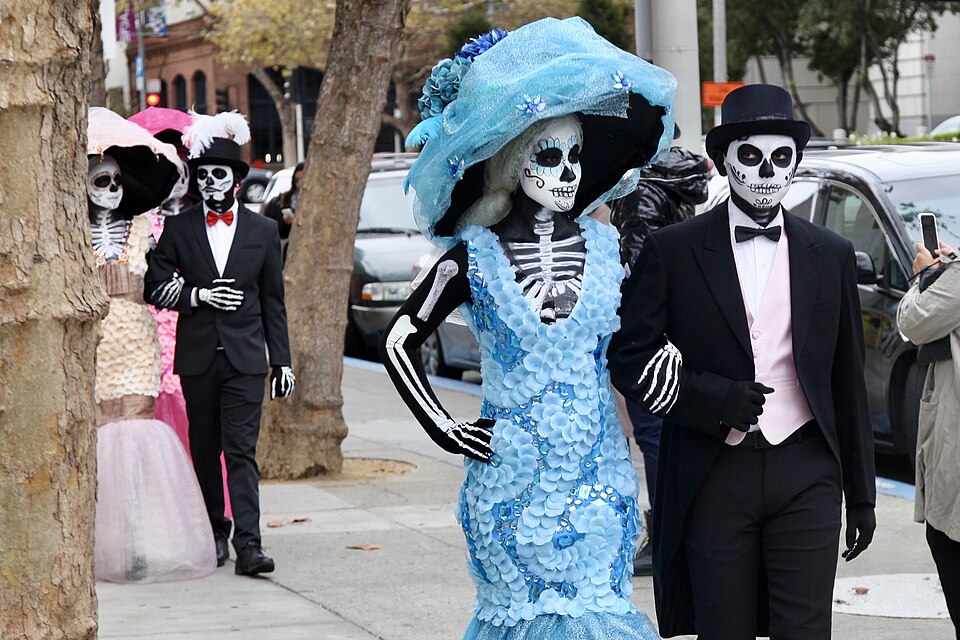
Sugar skull imagery now appears internationally in art, clothing, and tattoos. Yet its cultural significance rests in Mexican practices of honoring the departed: beneath the decorative surface is a tribute to family, affection, and enduring memory.
Key facts
- Mexico’s Día de los Muertos is celebrated on November 1 and 2.
- Traditional sugar skulls are formed by pressing granulated sugar into skull-shaped molds.
- Some skulls carry a deceased loved one’s name on the forehead.
- Marigolds, known as cempasúchil, are traditionally associated with guiding spirits.
- The holiday combines Indigenous Mexican traditions with Catholic influences.
Test your knowledge
Ready to quiz yourself on Arts & Culture? Take the quiz now!
Start Quiz →Published by WizdomMaster · Educational content for quiz enthusiasts