
Ancient body science
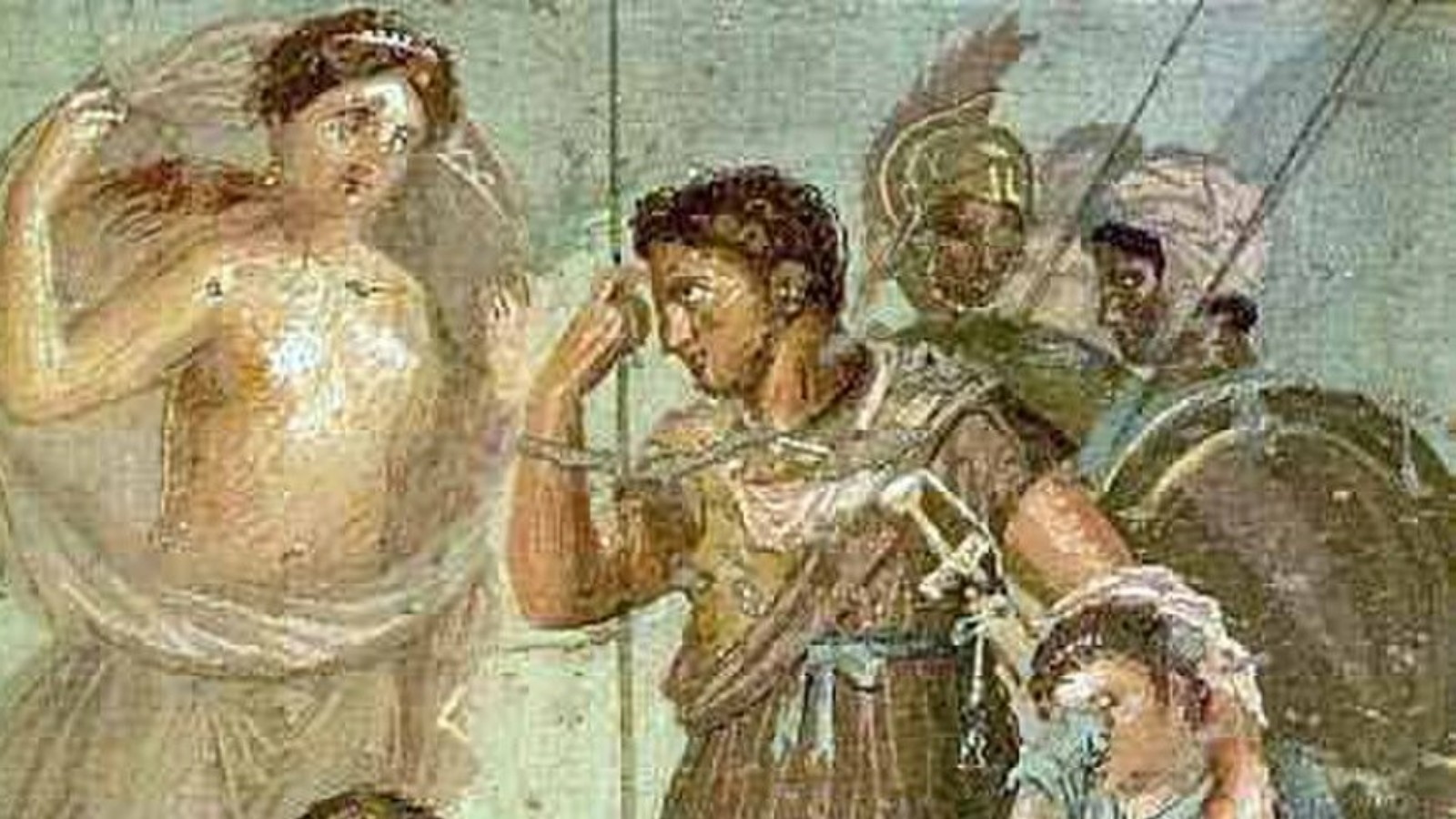
Before modern science, people had very different ideas about how the human body worked. Doctors and philosophers tried to solve its mysteries using observation, ancient texts, and theories about invisible forces, organs, and bodily fluids—with some surprisingly strange results.
- The Four Humors – Ancient Greek medicine proposed that the body contained four major fluids: blood, phlegm, yellow bile, and black bile. Illness was thought to occur when these four “humors” became unbalanced.
- The Heart Ruled – Aristotle believed the heart was the center of thought, emotions, and life, while the brain mainly served as a cooling organ. It took centuries before the brain was recognized as the command center of the nervous system.
- Blood Didn't Circulate – For centuries, many European physicians believed that blood was produced in the liver and gradually consumed by the body. William Harvey later demonstrated that the heart pumps blood continuously around the body.
- Galen's Mistakes – The Roman physician Galen became one of the most influential medical thinkers in history. Because human dissection was restricted, some of his anatomical knowledge came from animals, leading to errors about the human body that lasted for centuries.
- The Brain Was Mysterious – Ancient thinkers knew the brain was important but disagreed about its purpose. Some believed it primarily existed to cool the blood rather than control thought and movement.
- Disease Was Supernatural – In many ancient cultures, illness was attributed to gods, spirits, curses, or other supernatural forces. Treatment could therefore involve rituals and prayers alongside early forms of medicine.
- The Hidden Life Force – Many medical traditions believed the body was powered by an invisible life force or vital energy. Different cultures gave these forces different names and explanations, but the basic idea appeared repeatedly throughout history.
- Humans As Microcosms – Some ancient philosophers believed the human body was a miniature version of the universe. They connected organs and bodily fluids with elements, planets, and forces found in nature.
- Blood Meant Life – Blood had enormous symbolic importance across many ancient cultures and was often associated with life, the soul, and vitality. It was therefore viewed as far more than simply a physical substance.
- Dissection Changed Everything – As scientists began directly studying human bodies through dissection, many ancient ideas were challenged. Artists such as Leonardo da Vinci even performed dissections to create remarkably accurate anatomical drawings.


Test your knowledge
Ready to quiz yourself on Anatomy Before Modern Science? Take the quiz now!
Start Quiz →Published by WizdomMaster · Educational content for quiz enthusiasts